
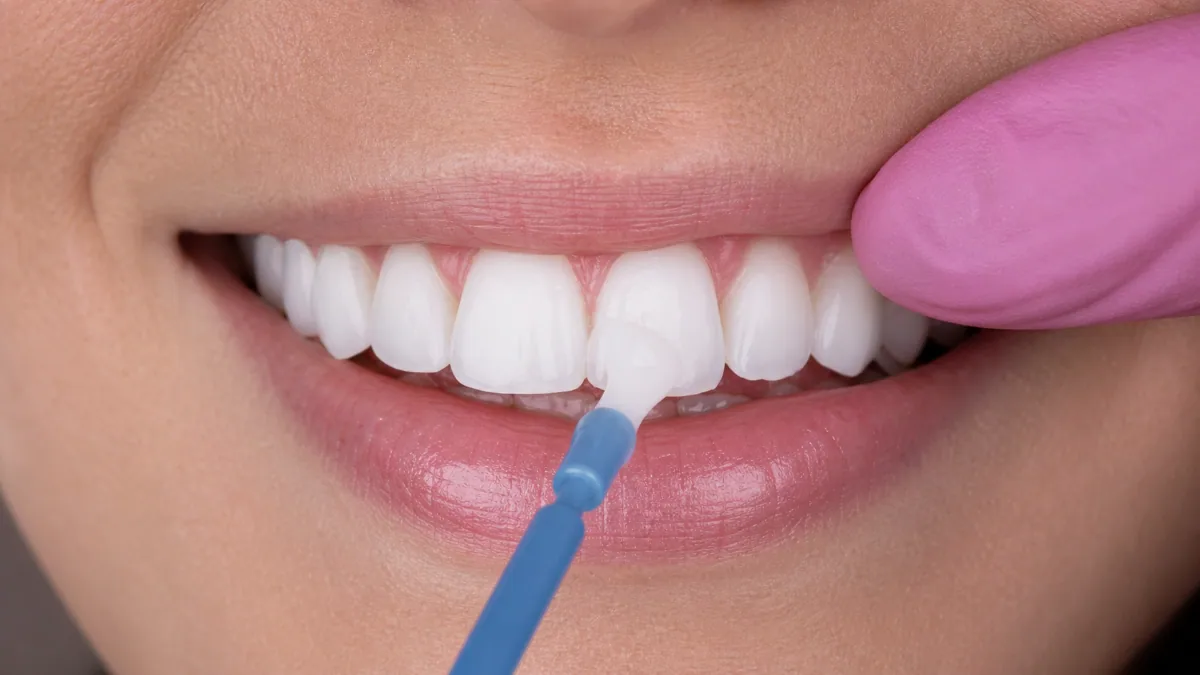
Fluoride treatment is a preventive dental service that helps strengthen tooth enamel, support enamel remineralization, and reduce the risk of cavities. It is applied professionally during dental visits as a gel, foam, or varnish, with recommendations based on each patient's cavity risk, age, oral health status, and individual needs.
What Patients Should Know About Fluoride Treatment
- Strengthens Enamel: Fluoride treatment is a preventive treatment that strengthens tooth enamel.
- Reduces Decay: It helps reduce cavity risk and supports enamel remineralization.
- Professional Care: It is applied professionally during dental visits.
- Personalized Candidates: It may be recommended for children, teens, adults prone to tooth decay, patients with enamel weakness or sensitivity, and patients with orthodontic appliances.
- Tailored Approach: Recommendations are based on an individual risk assessment.
- Comfortable Application: Fluoride may be applied as a gel, foam, or varnish, and the application is quick and painless.
- Ongoing Monitoring: Frequency is adjusted based on cavity risk and reviewed during dental exams.
- Clear Aftercare: Post-treatment instructions are provided.
- Transparent Cost: Fluoride treatment may be included with preventive care or billed separately, with insurance reviewed when applicable.
Maintaining strong enamel is the foundation of a healthy smile. According to Health Canada, fluoride plays a vital role in preventing tooth decay and maintaining long-term oral health. At North Toronto Dental Centre, our fluoride dental treatment offers a simple, effective way to protect your teeth. Whether you are seeking a fluoride treatment for kids or adults, our team provides personalized preventive dental care tailored to your specific oral health needs.
What Is Fluoride Treatment?
Fluoride treatment is a preventive dental treatment that strengthens tooth enamel, supports enamel remineralization, and helps reduce the risk of cavities.
Rather than relying solely on at-home products, a dentist fluoride treatment is applied professionally during dental visits. The process and its benefits are explained clearly to patients during care to ensure you understand how it supports your long-term oral health.
Who Should Get Fluoride Treatment?
Fluoride treatment may be recommended for children and teens at higher cavity risk, adults prone to tooth decay, patients with enamel weakness or sensitivity, and patients with orthodontic appliances. Recommendations are based on an individual risk assessment.
Children and Teens at Higher Cavity Risk
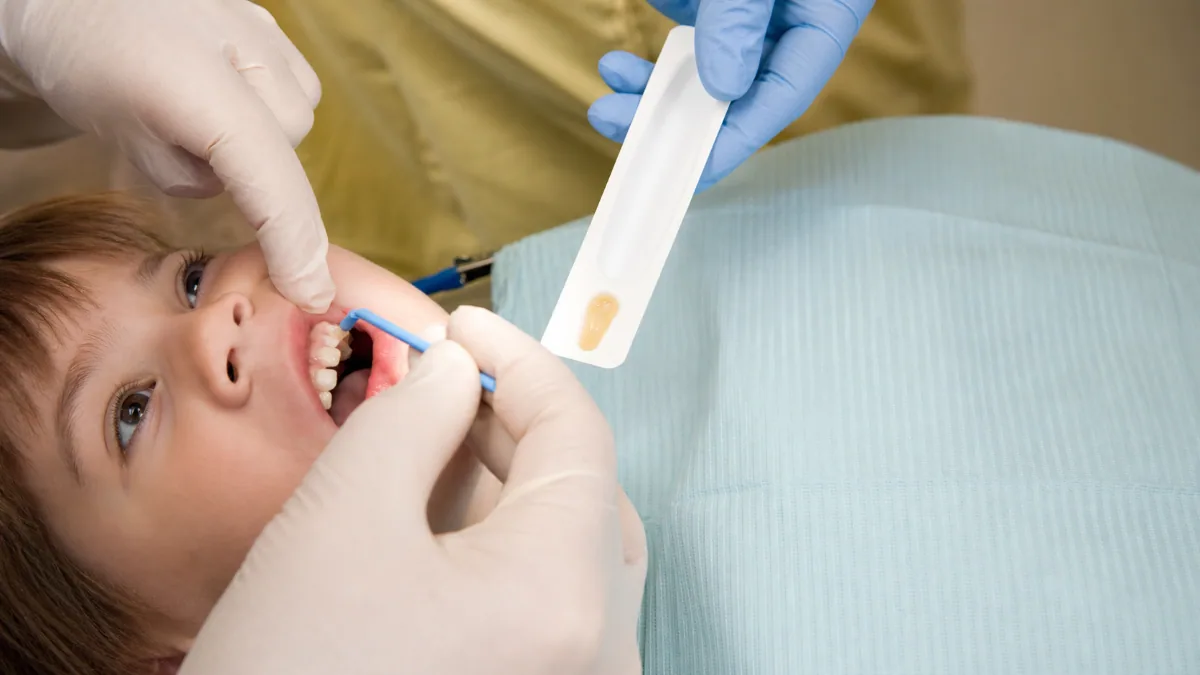
A fluoride treatment for kids and teens is often recommended to help protect developing teeth, especially for those at a higher cavity risk.
Adults Prone to Tooth Decay
Adults can also benefit significantly. Fluoride treatment for adults is highly recommended for individuals who are prone to tooth decay.
Patients with Enamel Weakness or Sensitivity
If you suffer from tooth sensitivity or have weakened enamel, a professional application can provide targeted support.
Patients with Orthodontic Appliances
Patients wearing braces or other orthodontic appliances are more susceptible to plaque buildup, making fluoride a valuable preventive measure.
How Is Fluoride Treatment Applied?
Fluoride treatment is applied as a fluoride gel, fluoride foam, or fluoride varnish. The application is quick and painless, usually completed during routine visits, and followed by post-treatment instructions.
- Risk and oral health needs are reviewed: The recommendation is based on an individual risk assessment.
- Fluoride type is selected: Fluoride may be applied as a gel, foam, or varnish.
- Treatment is applied professionally: It is applied safely and effectively during a dental visit.
- The application is quick and painless: Patients experience a comfortable, efficient process.
- Post-treatment instructions are provided: Patients are told exactly what to do after the application.
Is Fluoride Treatment Good for Your Teeth?
Yes, fluoride treatments support preventive care by strengthening tooth enamel, supporting enamel remineralization, and helping reduce cavity risk. Its overall value is explained directly to patients in terms of reliable cavity prevention.
How Often Is Fluoride Treatment Recommended?
Fluoride treatment frequency is adjusted based on cavity risk. It may be part of routine preventive care, reviewed during regular Dental Exams, and tailored to your age and oral health status.
What Should You Do After Fluoride Treatment?
Proper fluoride treatment aftercare ensures the best results. Post-treatment instructions are provided after your fluoride application. Because treatment involves minimal disruption to daily activities, patients should simply follow the specific instructions given during their visit regarding when to eat, drink, or brush.
Is Fluoride Treatment Only for Kids?
No. While commonly associated with children, fluoride treatments are beneficial for all ages. Candidates often include children and teens at higher cavity risk, adults prone to tooth decay, patients with enamel weakness, and patients with orthodontic appliances.
How Much Does Fluoride Treatment Cost?
The fluoride treatment cost may be included with your preventive care or billed separately. Insurance coverage is reviewed when applicable, and patients are completely informed of any costs before the application begins.
Fluoride Treatment vs Dental Sealants: What Is the Difference?
While both offer cavity prevention, they work differently. Fluoride treatment strengthens enamel and supports remineralization, while Dental Sealants are preventive coatings applied to chewing surfaces to protect grooves and pits from bacteria and plaque.
| Service | Main Purpose | How It Helps | Who May Benefit | Visit Timing | Planning |
|---|---|---|---|---|---|
| Fluoride Treatment | Strengthens tooth enamel. | Supports enamel remineralization and helps reduce cavity risk. | Based on individual cavity risk assessment. | Usually completed during routine visits. | Reviewed during dental exams and tailored to age and oral health status. |
| Dental Sealants | Protects chewing surfaces. | Helps protect grooves and pits from bacteria and plaque. | Often considered for molars with deep grooves or higher cavity risk. | Completed during routine dental visits. | Evaluated during dental exams and risk assessments. |
Is Fluoride Treatment Right for You or Your Child?
Fluoride treatment at the dentist may be recommended based on individual cavity risk, age, oral health status, enamel condition, sensitivity, tooth decay risk, and the presence of orthodontic appliances. If you are considering fluoride treatment in North York, a comprehensive dental exam can help determine whether it should be part of your proactive preventive care plan.
FAQs About Fluoride Treatment
Fluoride treatment is a preventive dental treatment that strengthens tooth enamel, supports enamel remineralization, and helps reduce the risk of cavities. It is applied professionally during dental visits.