
Invisalign Dentist: Adult Treatment Considerations
Adult Invisalign treatment requires specialized care. Learn how an Invisalign dentist evaluates periodontal health, bone density, tooth movement speed, and lifestyle factors for mature patients.
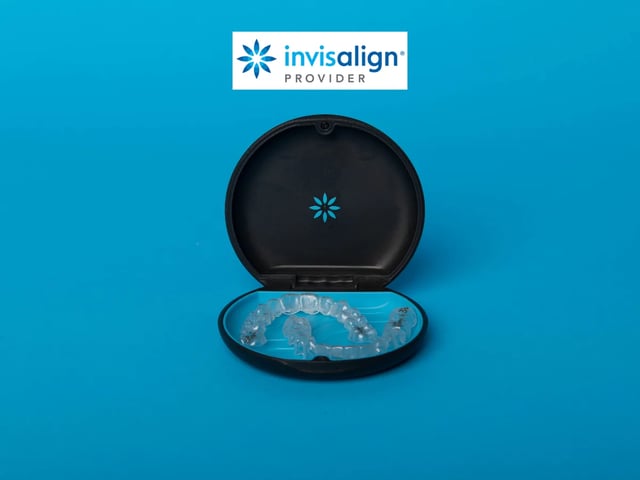
Adult Invisalign treatment requires specialized care. Learn how an Invisalign dentist evaluates periodontal health, bone density, tooth movement speed, and lifestyle factors for mature patients.
When Adults Consider Invisalign Treatment
When adults consider orthodontic treatment, they need an experienced invisalign dentist who understands the unique challenges and considerations that come with mature patient care. Adult Invisalign treatment differs significantly from adolescent orthodontics due to factors such as established bone density, existing dental work, and professional lifestyle requirements. These age-specific considerations require specialized knowledge and treatment approaches.
At North Toronto Dental Centre, located at 1942 Avenue Rd, North York, ON, adult patients receive comprehensive Invisalign treatment tailored to their specific needs and circumstances. The invisalign dentist team recognizes that successful adult orthodontic treatment requires careful evaluation of multiple factors that don't typically affect younger patients.
Periodontal Health Assessment by Invisalign Dentist
Before beginning adult Invisalign treatment, an experienced invisalign dentist must conduct a thorough periodontal health assessment. Adults are more likely to have existing gum disease or a history of periodontal problems that can complicate orthodontic movement. Healthy gums and supporting bone structures are essential for successful tooth movement and long-term stability.
Periodontal disease affects approximately 70% of Canadian adults over age 35, making this assessment crucial for treatment planning. The invisalign dentist evaluates gum health through clinical examination, probing measurements, and radiographic analysis to determine if periodontal therapy is needed before starting orthodontic treatment.
Periodontal Assessment Includes:
- Gum inflammation and bleeding tendencies
- Pocket depths around teeth
- Bone loss patterns visible on X-rays
- Previous periodontal treatment history
- Current oral hygiene effectiveness
Patients with active periodontal disease require treatment and stabilization before an invisalign dentist can safely begin tooth movement. This preliminary care ensures that orthodontic forces don't exacerbate existing gum problems or cause additional bone loss during treatment.
Gum Disease Management During Invisalign Treatment
Managing existing gum disease while undergoing Invisalign treatment requires ongoing collaboration between the invisalign dentist and dental hygienist. Adult patients often need more frequent professional cleanings and enhanced home care protocols to maintain gum health throughout orthodontic treatment.
The removable nature of Invisalign aligners provides advantages for maintaining oral hygiene compared to traditional braces. Patients can remove aligners for thorough brushing and flossing, allowing better access to all tooth surfaces and gum lines. However, this benefit only materializes when patients maintain excellent oral hygiene habits consistently.
Regular monitoring appointments with the invisalign dentist include periodontal health checks to ensure that tooth movement isn't causing gum recession or bone loss. If inflammation develops during treatment, the orthodontic plan may need modification to allow for periodontal healing before continuing with tooth movement.
Bone Density Factors Affecting Adult Invisalign Treatment
Bone density plays a crucial role in adult orthodontic treatment success, with mature patients typically having denser bone tissue that responds more slowly to orthodontic forces. An experienced invisalign dentist must adjust treatment expectations and timelines to accommodate these physiological differences.
Adult bone tissue remodels at a slower rate compared to adolescent bone, which means tooth movement occurs more gradually. This slower response requires longer treatment durations and potentially different force applications to achieve desired results safely. The invisalign dentist may recommend extended wear times for each set of aligners to allow adequate bone remodeling.
Adult Bone Density Considerations:
- Slower tooth movement compared to younger patients
- Extended treatment timelines (often 18-24 months)
- Need for longer retention periods
- Potential for root resorption with excessive force
- Hormonal influences on bone metabolism
Women experiencing menopause may have additional bone density considerations due to hormonal changes affecting bone metabolism. The invisalign dentist evaluates these factors when developing treatment plans and setting realistic expectations for adult patients.
Tooth Movement Speed in Mature Patients
The speed of tooth movement in adult patients varies significantly from adolescent treatment due to biological factors affecting bone remodeling. An invisalign dentist must understand these differences to provide accurate treatment timelines and manage patient expectations effectively.
Research indicates that adult tooth movement occurs at approximately half the rate of adolescent movement, primarily due to decreased cellular activity in mature bone tissue. This slower movement provides some advantages, including more predictable results and reduced risk of root resorption when proper forces are applied.
The invisalign dentist may recommend wearing each set of aligners for 14-21 days instead of the typical 7-10 days used for younger patients. This extended wear time allows adequate bone remodeling and ensures stable tooth movement throughout the treatment process. Patient compliance with wear time becomes even more critical for adult treatment success.
Professional Lifestyle Considerations
Adult patients often choose Invisalign treatment specifically because of professional lifestyle requirements that make traditional braces impractical. An invisalign dentist understands that career considerations play a significant role in treatment decisions for mature patients.
Why Adults Prefer Invisalign:
- Nearly invisible appearance during treatment
- Removability for important meetings or events
- No dietary restrictions affecting business meals
- Easier maintenance of oral hygiene
- Reduced emergency appointments for broken brackets
The invisalign dentist works with adult patients to develop treatment schedules that accommodate professional commitments and travel requirements while maintaining treatment progress.
Discreet Orthodontic Treatment Benefits
The discreet nature of Invisalign treatment provides significant psychological and social benefits for adult patients who may feel self-conscious about orthodontic treatment. An invisalign dentist recognizes that adult motivation for treatment often includes both functional and aesthetic considerations.
The clear aligners are virtually undetectable in most social and professional situations, allowing patients to smile confidently throughout treatment. This psychological benefit often leads to improved self-esteem and social confidence even before treatment completion.
Treatment Planning for Adult Invisalign Patients
Comprehensive treatment planning for adult Invisalign patients requires an invisalign dentist to consider multiple factors that don't typically affect younger patients. These include existing dental work, jaw joint health, and realistic expectations based on bone density and healing capacity.
Adult patients often have crowns, bridges, or other restorative work that can complicate orthodontic movement. The invisalign dentist must plan tooth movements that work around these existing restorations while achieving optimal functional and aesthetic results.
Treatment goals for adults may differ from adolescent objectives, focusing more on functional improvement and specific aesthetic concerns rather than comprehensive bite correction. The invisalign dentist discusses these priorities with patients to develop personalized treatment plans that address individual needs and expectations.
North Toronto Dental Centre provides comprehensive adult Invisalign treatment with experienced professionals who understand the unique needs of mature patients. Contact them at 416-783-4433 or reception@ntdental.ca to schedule your adult orthodontic consultation.
The clinic is open Monday through Thursday from 8:00am to 6:00pm, Friday and Saturday from 8:00am to 3:00pm (two Saturdays per month), offering convenient scheduling for working professionals seeking orthodontic treatment.
Understanding adult-specific considerations helps mature patients make informed decisions about Invisalign treatment and achieve successful orthodontic outcomes with proper professional guidance. Learn more about Invisalign in North York at North Toronto Dental Centre.
Written by
North Toronto Dental Centre
North Toronto Dental Centre

Book the visit your future smile will thank you for.
New patients welcome. Same-week appointments are usually available.


