
Dentist on Avenue Rd: Advanced Periodontal Therapy
Advanced periodontal therapy on Avenue Rd — laser-assisted treatment, tissue regeneration, scaling and root planing, ultrasonic instrumentation, and targeted antibiotic therapy at North Toronto Dental Centre.
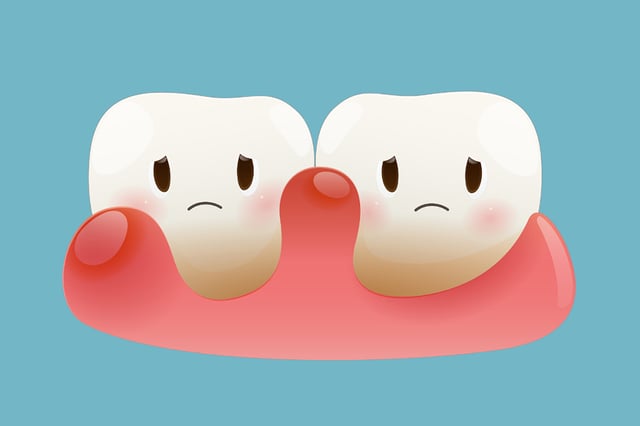
Advanced periodontal therapy on Avenue Rd — laser-assisted treatment, tissue regeneration, scaling and root planing, ultrasonic instrumentation, and targeted antibiotic therapy at North Toronto Dental Centre.
Laser-Assisted Periodontal Therapy by Dentist on Avenue Rd
When patients develop gum disease, they need specialized treatment from a skilled dentist on Avenue Rd who understands advanced periodontal therapy techniques. Gum disease affects millions of Canadians and represents one of the leading causes of tooth loss in adults. Early intervention with modern treatment protocols can halt disease progression and restore gum health effectively.
At North Toronto Dental Centre, located at 1942 Avenue Rd, North York, ON, M5M 4A1, patients with periodontal disease receive comprehensive treatment using the latest therapeutic approaches. The dentist on Avenue Rd team combines traditional techniques with cutting-edge technology to achieve optimal treatment outcomes for patients with varying degrees of gum disease.
Laser-Assisted Periodontal Therapy
Laser-assisted periodontal therapy represents a significant advancement in gum disease treatment that a progressive dentist on Avenue Rd can offer to patients seeking minimally invasive options. This technology uses focused light energy to remove diseased tissue and bacteria while promoting healing and regeneration of healthy gum tissues.
The laser treatment process begins with thorough assessment of periodontal pocket depths and disease severity. The dentist uses specialized periodontal probes to measure pocket depths and identify areas requiring laser intervention. Pockets deeper than 4mm typically indicate active disease requiring treatment.
During laser therapy, the focused light energy selectively targets diseased tissue while leaving healthy tissue intact. This precision allows for effective bacterial elimination and tissue removal without the discomfort associated with traditional surgical approaches. The laser also stimulates blood clotting and promotes faster healing compared to conventional methods.
Laser Therapy Benefits Include:
- Reduced bleeding and swelling during treatment
- Faster healing times compared to traditional surgery
- Minimal discomfort during and after procedures
- Preservation of healthy gum tissue
- Effective bacterial elimination in deep pockets
- Stimulation of tissue regeneration processes
The dentist on Avenue Rd monitors healing progress through follow-up appointments and additional laser treatments as needed to achieve optimal periodontal health restoration.
Tissue Regeneration Protocols
Advanced tissue regeneration protocols used by a skilled dentist on Avenue Rd can help restore lost gum and bone tissue in patients with moderate to severe periodontal disease. These techniques go beyond simple cleaning to actually rebuild the supporting structures that hold teeth in place.
Guided tissue regeneration involves placing special barrier membranes that prevent fast-growing gum tissue from interfering with slower bone and ligament regeneration. This technique allows the body's natural healing processes to rebuild the periodontal attachment apparatus over several months.
Bone grafting materials may be used in conjunction with regeneration protocols to provide scaffolding for new bone formation. The dentist on Avenue Rd selects appropriate grafting materials based on the size and location of bone defects, patient healing capacity, and treatment goals.
Growth factors and proteins can enhance the regeneration process by stimulating cellular activity and promoting faster healing. These biological modifiers help accelerate tissue formation and improve the predictability of regenerative outcomes.
Scaling and Root Planing by Dentist on Avenue Rd
Scaling and root planing represents the foundation of periodontal therapy that every dentist on Avenue Rd must master to treat gum disease effectively. This deep cleaning procedure removes bacterial plaque and calculus deposits from tooth surfaces both above and below the gum line. Learn more about scaling and root planing in North York.
The scaling process involves systematic removal of plaque and tartar deposits using specialized hand instruments and ultrasonic devices. The dentist works methodically around each tooth, accessing areas that regular brushing and flossing cannot reach. This thorough cleaning eliminates the bacterial biofilm that causes gum inflammation and bone loss.
Root planing smooths the root surfaces to remove bacterial toxins and create an environment conducive to gum tissue reattachment. Rough root surfaces harbor bacteria and prevent proper healing, so this smoothing process is essential for successful treatment outcomes.
Scaling and Root Planing Process:
- Local anesthesia for patient comfort
- Systematic plaque and calculus removal
- Root surface smoothing and detoxification
- Antimicrobial irrigation of treated areas
- Post-treatment care instructions
- Follow-up appointments for healing assessment
The dentist on Avenue Rd typically divides treatment into quadrants, allowing patients to maintain comfort while ensuring thorough cleaning of all affected areas.
Ultrasonic Instrumentation Techniques
Modern ultrasonic instrumentation enhances the effectiveness of scaling and root planing procedures performed by a dentist on Avenue Rd. These devices use high-frequency vibrations to break up calculus deposits and disrupt bacterial biofilms more efficiently than hand instruments alone.
Ultrasonic scalers generate cavitation bubbles in the irrigation water that implode against bacterial cell walls, providing additional antimicrobial effects beyond mechanical cleaning. This acoustic streaming helps flush debris and bacteria from periodontal pockets while the vibrating tip removes calculus deposits.
The dentist adjusts ultrasonic power settings based on calculus tenacity and patient sensitivity levels. Lower power settings work well for light deposits and sensitive patients, while higher settings effectively remove heavy calculus accumulations. Water flow rates are also adjusted to optimize cooling and irrigation during treatment.
Different ultrasonic tip designs allow the dentist on Avenue Rd to access various tooth surfaces and pocket configurations effectively. Straight tips work well for anterior teeth, while curved tips provide better access to posterior root surfaces and furcation areas.
Antibiotic Therapy Integration
Antibiotic therapy integration represents an important adjunct to mechanical periodontal treatment that a knowledgeable dentist on Avenue Rd uses for patients with aggressive or refractory gum disease. These medications help control bacterial populations and enhance healing when used appropriately.
Systemic antibiotics may be prescribed for patients with severe periodontal disease or those who don't respond adequately to mechanical therapy alone. The dentist selects antibiotics based on bacterial culture results when available, or uses empirical choices based on common periodontal pathogens.
Local antibiotic delivery systems allow for high drug concentrations at the infection site while minimizing systemic exposure. These controlled-release devices are placed directly into periodontal pockets where they slowly release medication over several days or weeks.
Common Antibiotic Protocols:
- Amoxicillin and metronidazole combination therapy
- Doxycycline for its anti-inflammatory properties
- Azithromycin for patients with penicillin allergies
- Local minocycline microspheres for targeted delivery
- Chlorhexidine chips for sustained antimicrobial action
The dentist on Avenue Rd monitors patients receiving antibiotic therapy for treatment response and potential side effects, adjusting protocols as needed for optimal outcomes.
Bacterial Culture Testing Procedures
Bacterial culture testing allows a dentist on Avenue Rd to identify specific pathogens causing periodontal disease and select the most effective antibiotic therapy. This diagnostic approach moves beyond empirical treatment to provide targeted antimicrobial therapy based on actual bacterial populations.
The culture collection process involves sampling bacteria from the deepest periodontal pockets using sterile paper points or curettes. These samples are immediately placed in transport media and sent to specialized laboratories for bacterial identification and antibiotic sensitivity testing.
Culture results typically identify the predominant bacterial species present and their sensitivity patterns to various antibiotics. This information guides the dentist in selecting the most effective antimicrobial therapy for each individual patient's infection.
Culture Testing Benefits:
- Identification of specific pathogenic bacteria
- Antibiotic sensitivity testing for targeted therapy
- Monitoring of treatment effectiveness over time
- Detection of antibiotic-resistant bacterial strains
- Personalized treatment protocol development
The dentist on Avenue Rd uses culture results to modify treatment protocols and improve outcomes for patients with complex or resistant periodontal infections.
Treatment Monitoring and Maintenance
Long-term success of periodontal therapy requires ongoing monitoring and maintenance by a dedicated dentist on Avenue Rd. Regular follow-up appointments allow for early detection of disease recurrence and prompt intervention when needed.
Periodontal maintenance appointments typically occur every three to four months and include professional cleaning, pocket depth measurements, and assessment of gum health. The dentist documents changes in periodontal status and adjusts treatment protocols based on healing progress.
Patient education and motivation play crucial roles in maintaining periodontal health following active treatment. The dentist on Avenue Rd provides ongoing instruction in proper home care techniques and emphasizes the importance of compliance with maintenance schedules.
North Toronto Dental Centre provides comprehensive periodontal therapy using advanced techniques and technology for optimal gum disease treatment outcomes. Contact us at 416-783-4433 or email reception@ntdental.ca to schedule your periodontal evaluation.
The clinic is open Monday through Thursday from 8:00am to 6:00pm, Friday and Saturday from 8:00am to 3:00pm (two Saturdays per month), offering convenient scheduling for ongoing periodontal care and maintenance.
Understanding advanced periodontal therapy options helps patients make informed decisions about gum disease treatment and achieve long-term oral health success through professional care and maintenance.
Written by
North Toronto Dental Centre
North Toronto Dental Centre
Keep reading.
Book the visit your future smile will thank you for.
New patients welcome. Same-week appointments are usually available.