
Emergency Dentist on Avenue Road: Root Canal Crisis
Severe tooth pain or a root canal crisis needs an emergency dentist on Avenue Road. Learn how pulpal necrosis, apical periodontitis, swelling, and pain are diagnosed and treated at North Toronto Dental Centre.
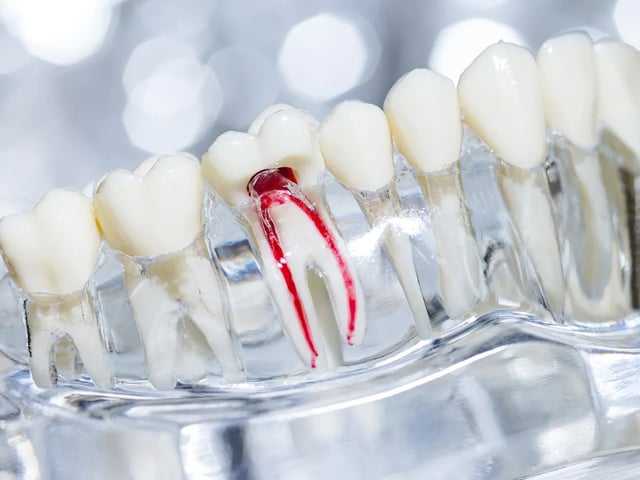
Severe tooth pain or a root canal crisis needs an emergency dentist on Avenue Road. Learn how pulpal necrosis, apical periodontitis, swelling, and pain are diagnosed and treated at North Toronto Dental Centre.
When severe tooth pain strikes suddenly, patients need an emergency dentist on Avenue Road who can diagnose and treat endodontic emergencies effectively. Root canal crises represent some of the most painful dental conditions requiring immediate professional intervention. These emergencies can develop rapidly and cause debilitating pain that disrupts daily life.
At North Toronto Dental Centre, located at 1942 Avenue Rd, North York, ON, M5M 4A1, patients experiencing endodontic emergencies receive prompt, expert care. The emergency dentist on Avenue Road team understands that root canal pain cannot wait for regular business hours.
How Emergency Dentist on Avenue Road Diagnoses Pulpal Necrosis
Pulpal necrosis occurs when the nerve tissue inside a tooth dies due to infection or trauma. An experienced emergency dentist on Avenue Road can identify this condition through clinical examination and diagnostic testing.
Pulpal Necrosis Diagnostic Signs:
- Severe, spontaneous pain or complete absence of pain
- No response to cold testing (negative vitality)
- Possible response to heat in early stages
- Pain with biting pressure (percussion sensitivity)
- Possible swelling or sinus tract formation
- Tooth discoloration in chronic cases
The emergency dentist uses thermal testing and electric pulp testing to assess nerve vitality. Radiographic examination may reveal periapical radiolucencies in established cases.
Immediate Pain Relief Through Emergency Procedures
When patients present with acute pulpal inflammation, an emergency dentist on Avenue Road can provide immediate relief through emergency pulp therapy. This treatment removes infected tissue and eliminates the source of pain.
Emergency Treatment Options:
- Pulpotomy for vital pulp with localized inflammation
- Pulpectomy for non-vital pulp with complete removal
- Access cavity preparation for drainage and pressure relief
- Irrigation with antimicrobial solutions
- Placement of intracanal medicaments
- Temporary restoration placement
The emergency dentist selects appropriate treatment based on pulp vitality testing and clinical presentation. Complete pulp removal is necessary when necrosis is confirmed.
Antibiotic Protocols by Emergency Dentist on Avenue Road
Antibiotics are prescribed by an emergency dentist on Avenue Road when systemic signs of infection are present. These medications supplement, but do not replace, definitive dental treatment.
Antibiotic Indications:
- Facial swelling extending beyond the alveolar process
- Fever above 37.8°C (100°F)
- Malaise or systemic symptoms
- Lymphadenopathy (swollen lymph nodes)
- Trismus (limited mouth opening)
Common Antibiotic Choices:
- Amoxicillin 500mg every 8 hours (first-line choice)
- Clindamycin 300mg every 8 hours (penicillin allergic patients)
- Metronidazole 400mg every 8 hours (anaerobic coverage)
The emergency dentist emphasizes that antibiotics alone cannot cure dental infections without source control through dental treatment.
Managing Acute Apical Periodontitis
Acute apical periodontitis causes severe pain when biting down and requires immediate attention from an emergency dentist on Avenue Road. This condition results from bacterial toxins reaching the tissues around the root tip.
Treatment Approach:
- Immediate access cavity preparation for drainage
- Complete pulp removal and canal irrigation
- Intracanal medication placement (calcium hydroxide)
- Occlusal adjustment to reduce biting pressure
- Pain medication prescription for patient comfort
The emergency dentist focuses on eliminating the bacterial source while providing symptomatic relief. Definitive root canal treatment follows emergency care.
Facial Swelling Assessment
Facial swelling associated with dental infections requires careful evaluation by an emergency dentist on Avenue Road. The location and extent of swelling determine treatment urgency and approach.
Swelling Classification:
- Localized: confined to the immediate tooth area
- Diffuse: spreading to facial spaces
- Severe: involving multiple facial spaces or causing airway compromise
Warning Signs Requiring Hospital Referral:
- Difficulty swallowing (dysphagia)
- Difficulty breathing (dyspnea)
- High fever with systemic toxicity
- Rapid progression of swelling
- Involvement of deep neck spaces
The emergency dentist monitors these patients closely and coordinates with medical colleagues when necessary.
Emergency Access Cavity Preparation
Proper access cavity preparation by an emergency dentist on Avenue Road allows effective treatment of endodontic emergencies. Correct technique ensures complete access to infected tissue.
Access Cavity Guidelines:
- Location based on pulp chamber anatomy
- Size adequate for complete pulp removal
- Shape following pulp chamber outline
- Depth extending into coronal pulp chamber
- Smooth walls without procedural errors
The emergency dentist uses appropriate bur selection and maintains adequate cooling during preparation. Proper isolation prevents contamination during treatment.
Temporary Restoration Materials
When immediate definitive treatment is not possible, an emergency dentist on Avenue Road places appropriate temporary restorations to protect the access cavity.
Temporary Material Selection:
- Zinc oxide eugenol for sedative properties
- Glass ionomer for fluoride release and adhesion
- Composite resin for aesthetic requirements
- Cavit for easy removal at follow-up
The emergency dentist selects materials based on expected duration and clinical requirements. Proper sealing prevents bacterial recontamination.
Pain Management Strategies
Effective pain control represents a primary goal for an emergency dentist on Avenue Road treating endodontic emergencies. Evidence-based approaches provide optimal patient comfort.
Recommended Pain Management:
- Ibuprofen 400-600mg every 6-8 hours (anti-inflammatory)
- Acetaminophen 500-1000mg every 6 hours (analgesic)
- Combination therapy for enhanced effectiveness
- Prescription analgesics for severe pain (limited duration)
The emergency dentist provides clear instructions for medication use and monitors patient response to treatment.
North Toronto Dental Centre provides comprehensive emergency endodontic services with experienced professionals. Contact them at 416-783-4433 or reception@ntdental.ca when you need an emergency dentist on Avenue Road. You may also contact us to request care.
The clinic is open Monday through Thursday from 8:00am to 6:00pm, Friday and Saturday from 8:00am to 3:00pm (two Saturdays per month), ensuring access to emergency care.
Understanding endodontic emergencies helps patients recognize serious conditions and seek appropriate treatment from qualified dental professionals.
Written by
North Toronto Dental Centre
North Toronto Dental Centre
Keep reading.

Book the visit your future smile will thank you for.
New patients welcome. Same-week appointments are usually available.